Receiving a sleep apnea diagnosis means your sleep study recorded a sufficient number of breathing disruptions per hour to confirm the condition. The type of follow-up, the treatment recommended, and the monitoring schedule that follows all depend on the severity of your AHI, your clinical profile, and other changes in the sleep study, such as decreased blood oxygen. The pathway is well-established, but access and timelines vary depending on how your care is built in your province. There is thought to be 1 billion people with apnea.
Key Takeaways
- AHI determines severity: Mild is 5 to 15 per hour; moderate is 15 to 30; severe is 31 or above. Other parameters are key in determining the importance of the data.
- CPAP is first-line treatment: For moderate to severe OSA, CPAP therapy is the standard recommended intervention.
- Ontario ADP funding applies: After a qualifying Level 1 PSG diagnosis, partial PAP equipment funding is available through the Assistive Devices Program.
- Follow-up monitoring is required: CPAP usage data is reviewed regularly to confirm therapy is reducing apnea events effectively.
- Alternatives exist for CPAP intolerance: Oral appliances and, in selected cases, surgery are available for patients who cannot tolerate CPAP. Weight loss can be very effective as well.
What a Sleep Apnea Diagnosis Indicates
A sleep apnea diagnosis is based on the Apnea-Hypopnea Index (AHI), which counts the average number of breathing disruptions per hour of recorded sleep. An AHI of 5 to 14 per hour indicates mild sleep apnea. An AHI of 15 to 29 indicates moderate sleep apnea. An AHI of 30 or above indicates severe sleep apnea and is generally associated with the greatest clinical urgency for treatment.
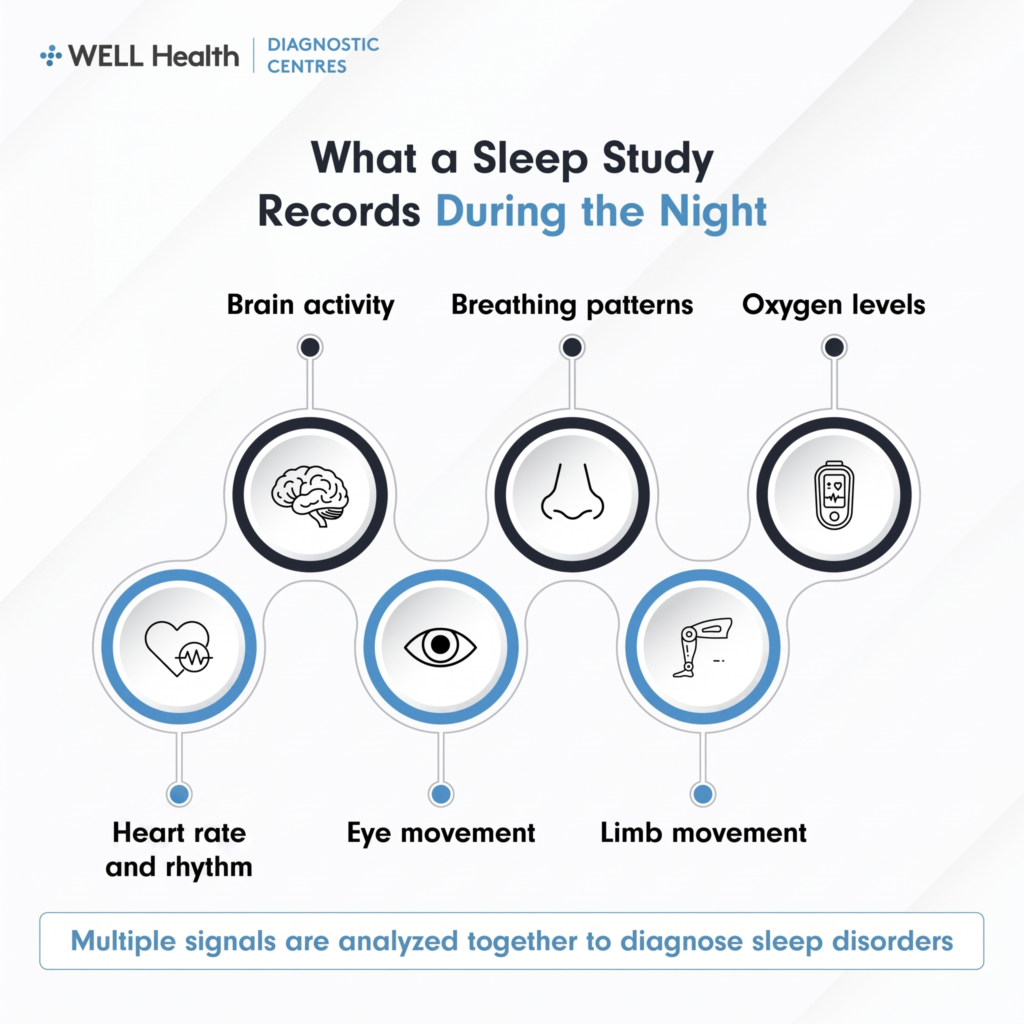
The diagnosis itself does not describe the full clinical picture. Oxygen saturation data, the proportion of time below 90 percent saturation, sleep stage distribution, and arousals from sleep are all reported alongside the AHI. Your physician and sleep specialist use all of these values together to determine the most appropriate next step, not AHI alone.
Sleep Apnea Diagnosis: Next Steps in Care
Following a confirmed diagnosis, the sleep specialist or respirologist prepares a report for your referring physician. Research published in the Canadian Medical Association Journal and reviewed at PMC, OSA testing and treatment in Canada describes the standard pathway in Ontario as referral to a sleep physician followed by polysomnography for diagnosis, after which treatment is initiated according to Canadian Thoracic Society guidelines. Your physician reviews the report and contacts you to discuss findings and the recommended treatment approach.
Mild Sleep Apnea
For mild sleep apnea, treatment decisions depend heavily on symptoms and individual risk factors. Patients with minimal symptoms may be advised on positional therapy, as apnea events are often more frequent when sleeping on the back. Weight loss, alcohol avoidance before sleep, and sleep hygiene modifications are also commonly recommended before considering device-based therapy.
Moderate to Severe Sleep Apnea
Continuous Positive Airway Pressure (CPAP) therapy is the standard first-line treatment for moderate to severe obstructive sleep apnea. A CPAP device delivers pressurized air through a mask during sleep, keeping the upper airway open and preventing breathing disruptions. Most patients who adhere to CPAP therapy report significant improvement in daytime alertness, energy, and sleep quality within weeks of starting treatment.
Additional Tests and Evaluations
Some patients require additional evaluation after a diagnosis, particularly those whose initial study produced borderline or incomplete results. A CPAP titration study is performed to determine the appropriate air pressure setting for your device. Auto-titrating CPAP devices can also adjust pressure automatically during sleep, reducing the need for a formal titration study in straightforward cases.
- Titration study: An overnight study to determine the optimal CPAP pressure for your airway.
- Repeat polysomnography: Ordered if the initial study was inconclusive, technically limited, or if symptoms persist despite treatment.
- Cardiac evaluation: Recommended when significant oxygen desaturation or arrhythmias were recorded during the sleep study.
- ENT assessment: Considered when structural airway abnormalities, enlarged tonsils, or nasal obstruction may be contributing to apnea events.
Treatment Pathways and Referrals
The treatment pathway following a sleep apnea diagnosis depends on severity, tolerance for CPAP therapy, and any underlying structural factors. Most patients begin with CPAP; those who cannot tolerate it are offered alternatives.
CPAP Therapy
CPAP is the most commonly prescribed and clinically supported treatment for obstructive sleep apnea. In Ontario, following a Level 1 polysomnography diagnosis, the Assistive Devices Program (ADP) provides partial public funding for PAP equipment. Your physician or respirologist issues the prescription, and a respiratory therapist or equipment provider assists with fitting the mask and initiating therapy.
Oral Appliance Therapy
A mandibular advancement device (MAD) repositions the jaw and tongue to keep the airway open during sleep. It is an option for patients with mild to moderate sleep apnea or those who cannot tolerate CPAP. Certified sleep dentists provide custom-fitted oral appliances, and a follow-up sleep study with the device in place is recommended to confirm adequate AHI reduction.
Surgical Options
Surgery is considered for selected patients who have failed CPAP and oral appliance therapy, particularly those with identifiable structural causes of airway obstruction. Upper airway surgery is not a first-line intervention and is addressed after other treatment options have been tried or assessed as unsuitable. A research study on OSA wait times in Ontario published via PubMed Central found that surgical pathways carry the longest overall wait times in the Ontario care system, averaging 16.2 months to therapy initiation.
Monitoring and Follow-Up Requirements
Sleep apnea management requires ongoing monitoring to confirm that treatment is working and to adjust it as your clinical situation changes. CPAP devices record usage data, including hours of use per night, AHI on therapy, and mask leak rates. Your respiratory therapist or sleep specialist reviews this data at follow-up appointments to assess therapy effectiveness and troubleshoot compliance issues.
- Initial follow-up: Typically scheduled 4 to 6 weeks after starting CPAP therapy to review usage data and address equipment issues.
- Ongoing review: Annual or bi-annual appointments to assess continued therapy effectiveness and patient-reported symptoms.
- Retesting: Repeat polysomnography or home sleep testing may be ordered if symptoms return or if significant weight change occurs.
When Repeat Testing Is Considered
A repeat sleep study is ordered when symptoms persist or worsen despite treatment, when significant changes in body weight occur, or when there is clinical suspicion that the original diagnosis was incomplete. For patients using CPAP whose device data shows persistent high AHI despite adequate pressure, further evaluation is needed to identify complex or central sleep apnea events. Your sleep specialist guides the decision to repeat testing based on your clinical response to treatment and device-recorded data.
Frequently Asked Questions
Does a sleep apnea diagnosis mean I have to use CPAP for life?
Not necessarily. For some patients, significant weight loss or resolution of contributing factors can reduce AHI enough to change the treatment requirement. Periodic reassessment with a repeat sleep study can determine if the diagnosis still applies at the same severity. Your respirologist guides those decisions based on your clinical progress and device-recorded therapy data.
Is CPAP equipment covered by OHIP in Ontario?
In Ontario, following a Level 1 polysomnography diagnosis, the Assistive Devices Program provides partial funding for PAP equipment, typically covering a percentage of the approved device cost. The in-laboratory sleep study itself is OHIP-covered when referred by a licensed healthcare provider. Private extended health insurance plans may cover additional equipment costs; check your plan details before purchasing.
What happens if CPAP therapy is not working?
If CPAP device data shows persistently high AHI despite adequate pressure and consistent use, your sleep specialist may order a repeat sleep study or titration assessment. Complex or central sleep apnea events can emerge on CPAP therapy and require a different pressure mode or device type. Your respiratory therapist and sleep specialist work together to adjust the therapy until the device data confirms adequate event suppression.
Navigating Your Sleep Apnea Care Pathway
A sleep apnea diagnosis is the starting point of a proper care pathway, not an endpoint. Treatment effectiveness depends on consistent therapy, regular monitoring, and follow-up with your clinical team. If you have questions about your results, your treatment options, or what your next appointment should cover, bring them directly to your referring physician or sleep specialist.